Path 01
A purchase or renovation is still being planned
Closing, construction scope, or placed-in-service timing can still shape the records.
Likely discussion: Depreciation & Basis with pre-construction planning
Prepare this pathDepreciation & Basis
Accelerate supportable 5, 7, and 15-year depreciation, evaluate current 100% bonus depreciation fit, and document the study for CPA review.
Meet Jamie PopeWatch Jamie on this topicFounder-led guidance, ready when you are.15 minutes. No complete file required. The goal is a clear next step.
Start with the decision context
Start with the property event that is shaping the depreciation question. The route can change when timing, records, or a transaction is already in motion.

These paths prepare a conversation. They do not provide tax, legal, valuation, or eligibility conclusions.
Path 01
Closing, construction scope, or placed-in-service timing can still shape the records.
Likely discussion: Depreciation & Basis with pre-construction planning
Prepare this pathPath 02
The existing schedule may need a look-back, catch-up, or fixed-asset review.
Likely discussion: Fixed Asset Depreciation and Annual CRE Review
Prepare this pathPath 03
Adjusted basis, prior depreciation, and recapture questions need a coordinated read.
Likely discussion: Transaction Planning and capital-gains coordination
Prepare this pathIn plain English
Most owners deduct a building over 39 years, the slowest schedule the law allows. A cost segregation study is an engineering review that identifies the pieces of the property the IRS says wear out faster, carpet, cabinetry, parking lots, site lighting, specialty electrical, and moves them to 5, 7, and 15-year schedules. With 100% bonus depreciation back in the law, much of that value can be deducted in year 1. Same building. Same total deductions. Very different timing, and timing is money.
Case study
A shopping-center owner assumed the depreciation he had missed in his early years of ownership was gone for good. It was not. one filing, which the IRS calls a Form 3115, let him claim every missed dollar in the current year, with no amended returns and no penalties. The money had been sitting in the buildings the whole time. He just had to ask for it.
Read the catch-up depreciation case studyDecision fit
JPOPE frames the service around the property decision first, then packages the technical findings for the owner, CPA, advisor, or deal team that needs to act on them. The aim is simple: identify the minimum tax legally owed, preserve every supportable opportunity, and turn the first review into a clear next step before the window closes.
A recent purchase, renovation, or placed-in-service date needs depreciation and lookback review.
Fixed asset schedules do not explain component groupings, repair/capital decisions, or useful-life timing.
Your CPA needs engineering-backed support that can be reviewed without rebuilding the study from scratch.
Visual planning lane
Owners and advisors should be able to see why this lane matters, what facts drive the answer, and how the final output travels back into the CPA or advisor conversation.
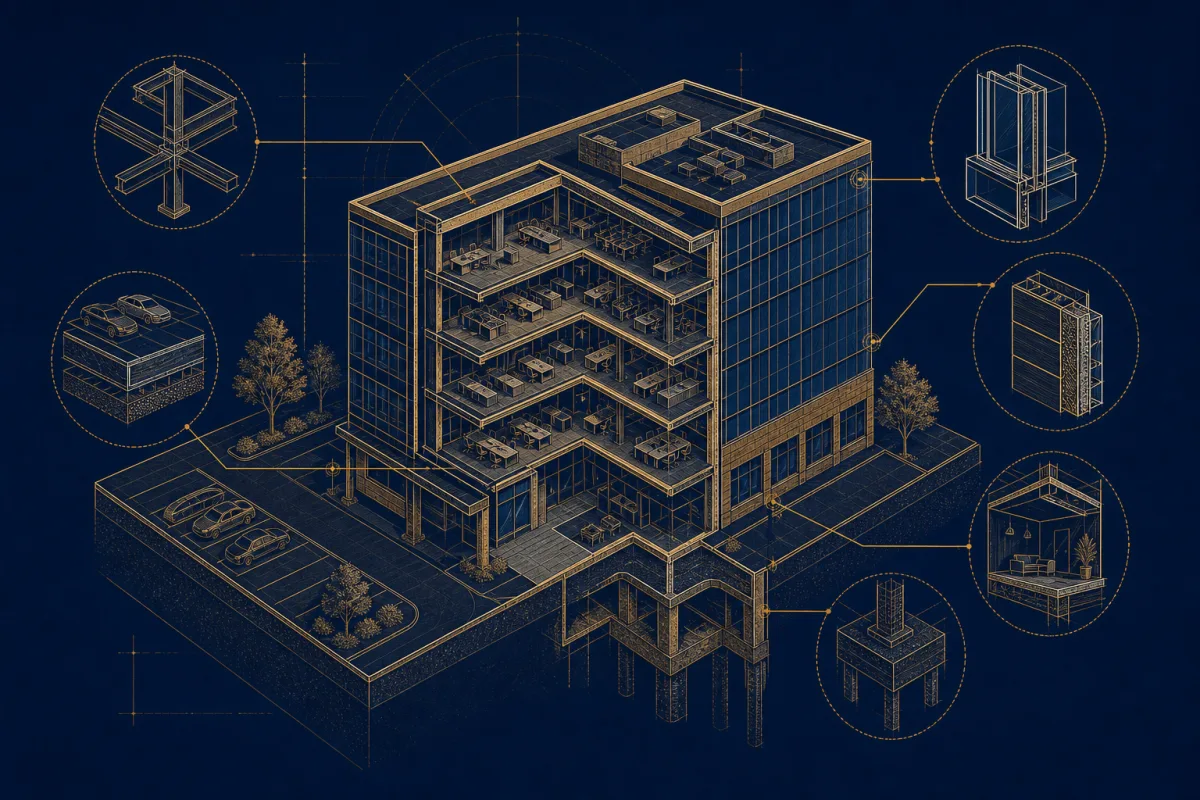
Depreciation model
This lane visualizes how property facts become a depreciation decision the CPA can review instead of a generic savings headline. For Cost Segregation Studies, the practical window is acquisition, renovation, and look-back review and the expected output is engineering-based depreciation study and CPA-ready support.
Basis
Purchase allocation, land, building, improvements, and prior schedules define the source file.
Components
Engineering-backed review identifies short-life property and repair decisions.
Timing
The taxpayer profile decides whether acceleration actually helps current cash flow.
Support
The output travels as CPA-ready schedules, study support, and action notes.
Best when placed-in-service facts, basis, and records are still close to the transaction or improvement.
Depreciation acceleration
Cost segregation is strongest when the study connects engineering detail to the owner's actual tax profile. IRS guidance reviewed July 3, 2026, confirms 100% bonus depreciation for many qualified assets acquired after Jan. 19, 2025, so JPOPE looks at basis, renovations, tenant improvements, passive activity limits, bracket exposure, recapture timing, elections, and look-back opportunities so supportable 5, 7, and 15-year depreciation becomes usable CPA-ready planning.
What Jamie checks
Use this lane when asset classification, basis allocation, or timing could move deductions into current cash flow.
Taxpayer context
Owners, investors, CPAs
Who owns, advises, or acts on the planning answer.
Record support
Source file and documents
The first records that support the position.
Timing window
Acquisition, renovation, and look-back review
When the facts still leave room for a better answer.
Advisor output
CPA-ready output
The format needed for CPA, owner, or advisor review.
Review signal
Building components and site improvements that may support 5-, 7-, or 15-year property treatment.
Review signal
Placed-in-service dates, acquisition timing, invoices, closing statements, and renovation records.
Review signal
Taxpayer context, including bracket exposure, passive activity limits, hold period, and recapture modeling.
Review signal
Bonus depreciation eligibility, elections, and CPA handoff notes that make the study usable for return work.
Review signal
Fixed asset cleanup items, component retirements, and repair-versus-capital facts that may affect the study.
Review signal
Advisor-ready reconciliation between engineering detail, basis support, depreciation schedules, and owner cash-flow timing.
Owner questions
Ready to test the fit?
A complete file is not required. Start with the property decision, the date controlling it, and the records already available.
Direct answers
Use these answers to decide whether the timing, records, and advisory handoff point to a deeper planning conversation.
Review Cost Segregation Studies during acquisition, renovation, and look-back review. A recent purchase, renovation, or placed-in-service date needs depreciation and lookback review.
Start with Building components and site improvements that may support 5-, 7-, or 15-year property treatment; Placed-in-service dates, acquisition timing, invoices, closing statements, and renovation records. JPOPE uses those facts to decide whether the position is documented, time-sensitive, and ready for CPA review.
The usual output is engineering-based depreciation study and CPA-ready support, packaged so ownership and the advisory team can understand the tax value, supporting evidence, and next action.
Defined advisor role: JPOPE organizes the CRE-specific facts, analysis, and support file. The owner's CPA, attorney, engineer, appraiser, or other responsible professional remains in the review and implementation path when their judgment is required.
Video follow-through
Use the video to frame what records, timing, and output should be ready before deeper analysis starts.
Service signal
Jamie frames cost segregation as a way to move supported depreciation into current cash flow instead of waiting across a 39-year recovery period.
Timing leverage
88%
Current-year value depends on placed-in-service facts, look-back options, and return timing.
Document depth
92%
Needs basis, asset, improvement, engineering, and support-file review.
Cash-flow lift
86%
The planning question is how much depreciation can move forward for reinvestment.
What you will learn
What if your commercial building could pay you back — years before you expected? Under standard IRS rules, a commercial building depreciates over thirty-nine years. A small deduction, drip by drip — while your capital stays locked inside the walls, the floors, and the fixtures. Cost segregation changes the math. It's an engineering-based study that breaks your property into its real components — flooring, fixtures, dedicated electrical, plumbing, cabinetry, even site improvements like parking and landscaping — and reclassifies them into five, seven, and fifteen-year property. Instead of waiting nearly four decades, those components depreciate on fast schedules — and with bonus depreciation, a significant share can be deducted in year one. On a two-million-dollar property, a study can reclassify four to six hundred thousand dollars. At a thirty-seven percent bracket, that's often one hundred fifty thousand dollars — or more — of year-one tax cash savings. Capital you keep, and reinvest. Cost segregation. Real deductions, pulled forward. Real cash, back in your hands. JPOPE Tax Consultancy. Request your complimentary screening estimate today.
© 2026 JPOPE Tax Consultancy. Screening estimate — not tax advice.
Signature video feature
Jamie Pope walks through how an engineering-based cost segregation study moves supportable depreciation off the 39-year line and into current cash flow — and what separates a defensible study from a decorated one.
What if your commercial building could pay you back, years before you expected? Under standard IRS rules, a commercial building depreciates over 39 years. A small deduction, drip by drip, while your capital stays locked inside the walls, the floors, and the fixtures. Cost segregation changes the math. It's an engineering-based study that breaks your property into its real components. Moring, fixtures, dedicated electrical, plumbing, cabinetry, even site improvements like parking and landscaping, and reclassifies them into five, seven, and 15-year property. Instead of waiting nearly four decades, those components depreciate on fast schedules, and with bonus depreciation, a significant share can be deducted in year one. On a $2 million property, a study can reclassify four to $600,000. At a 37% bracket, that's often $150,000 or more of year one tax cash savings. Capital you keep and reinvest. Cost segregation, real deductions pulled forward, real cash back in your hands. JPOPE Tax Consultancy. Request your complimentary screening estimate today.
© 2026 JPOPE Tax Consultancy. Screening estimate — not tax advice.
How the work moves
The sequence keeps the owner question, technical review, and CPA handoff connected so the page reads as a path rather than separate service claims.
Step 1
Clarify the property, ownership, transaction, and timing facts behind the tax value.
Step 2
Review records for deductions, credits, valuation issues, basis, and planning impact.
Step 3
Develop engineering-based depreciation study and CPA-ready support with the context needed by the CPA and advisor team.
Step 4
Help the next conversation move cleanly with the CPA, advisor, broker, or ownership team.
Related resources

A practical pre-study checklist for organizing records before a cost segregation review.
View resource
A shopping-center case-study topic that explains where engineering depth, accelerated depreciation, basis support, and lookback review can create planning value.
View resource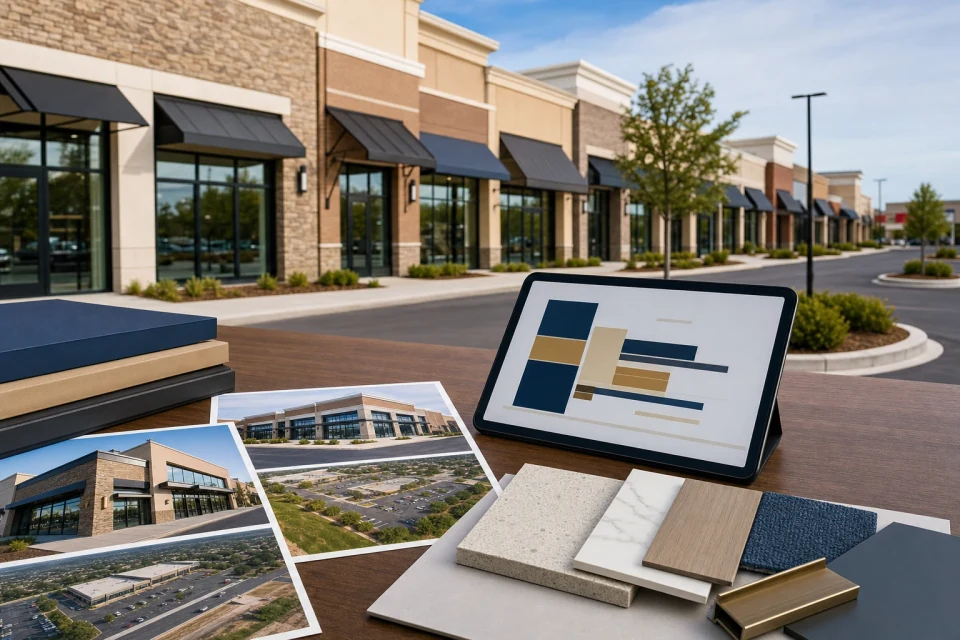
A shopping-center portfolio case study on how Form 3115 catch-up depreciation turned long-trapped deductions into current planning capital.
View resourceStart with fit
A short fit review can confirm whether this service area is the right starting point or whether another planning lane should come first.