Path 01
A property purchase or major renovation is being scoped
Basis, component, demolition, and placed-in-service records can be planned early.
Likely discussion: Transaction Planning with Depreciation & Basis
Prepare this pathTransaction Planning
Bring tax planning into design and budgeting before construction decisions lock away depreciation, energy-credit, and documentation options.
Meet Jamie PopeWatch Jamie on this topicFounder-led guidance, ready when you are.15 minutes. No complete file required. The goal is a clear next step.
Start with the decision context
Use the project event that is still flexible to connect design, budget, documentation, and tax planning.

These paths prepare a conversation. They do not provide tax, legal, valuation, or eligibility conclusions.
Path 01
Basis, component, demolition, and placed-in-service records can be planned early.
Likely discussion: Transaction Planning with Depreciation & Basis
Prepare this pathPath 02
Certification, incentive, and technical-project evidence may still be preserved.
Likely discussion: Credits & Incentives before construction locks in
Prepare this pathPath 03
Draws, phases, ownership, and expected exit decisions need one timeline.
Likely discussion: Construction planning with transaction timing
Prepare this pathIn plain English
By the time a building opens, most of its tax story is already written, what depreciates in 5 years instead of 39, which incentives it captured, whether the records exist to prove any of it. Bringing the tax work in while the drawings are still drawings changes those answers at almost no cost. After that, every change order gets more expensive. Paper is cheap. Concrete is permanent.
Related guide
A guide to real estate tax credit topics including 45L, 179D, R&D credits, historic rehabilitation incentives, and current energy-incentive timing windows.
View resourceDecision fit
JPOPE frames the service around the property decision first, then packages the technical findings for the owner, CPA, advisor, or deal team that needs to act on them. The aim is simple: identify the minimum tax legally owed, preserve every supportable opportunity, and turn the first review into a clear next step before the window closes.
A transaction is being modeled and tax impact could influence structure or timing.
Ownership, financing, or project choices are still flexible enough to plan around.
The client needs a plain-English comparison of options, including 1031 alternatives, Opportunity Zones, or reinvestment timing, before committing.
Visual planning lane
Owners and advisors should be able to see why this lane matters, what facts drive the answer, and how the final output travels back into the CPA or advisor conversation.
Transaction model
Transaction planning connects purchase, sale, exchange, basis, debt, and reinvestment decisions before the closing file becomes history. For Pre-Construction Tax Planning, the practical window is site planning, design, and construction budgeting and the expected output is tax-sensitive design and documentation checklist.
Deal
Purchase, sale, exchange, reinvestment, or capital-gain exposure is defined while options remain.
Structure
Entity, basis, debt, timing, and ownership goals shape the available after-tax paths.
Compare
The planning model clarifies which path is useful, supportable, and worth taking to the advisory team.
Handoff
The CPA, attorney, broker, and owner get a shared planning summary before commitment.
Best before signing, closing, sale, exchange, reinvestment, or exit decisions become fixed.
Design-phase leverage
Pre-construction planning gives owners, developers, and construction teams a chance to preserve depreciation, credit, energy, and documentation opportunities before decisions are baked into the project. JPOPE helps tax strategy show up while it can still influence the build.
What Jamie checks
Use this lane before a purchase, sale, reinvestment, or project decision narrows the available after-tax options.
Taxpayer context
Developers, owners, construction teams
Who owns, advises, or acts on the planning answer.
Record support
Source file and documents
The first records that support the position.
Timing window
Site planning, design, and construction budgeting
When the facts still leave room for a better answer.
Advisor output
CPA-ready output
The format needed for CPA, owner, or advisor review.

Review signal
Design, scope, budget, energy, and placed-in-service decisions that affect tax outcomes.
Review signal
Documentation practices that can support later cost segregation, 179D, 45L, R&D, or rehabilitation credit claims.
Review signal
Owner, contractor, engineer, and CPA coordination before construction starts moving fast.
Review signal
Budget categories, bid packages, and construction records that should be structured for later tax review.
Review signal
Design choices that may preserve depreciation, energy, credit, or documentation options before value engineering begins.
Review signal
A project-file checklist that keeps tax-support records from becoming an after-the-fact reconstruction project.
Owner questions
Ready to test the fit?
A complete file is not required. Start with the property decision, the date controlling it, and the records already available.
Direct answers
Use these answers to decide whether the timing, records, and advisory handoff point to a deeper planning conversation.
Review Pre-Construction Tax Planning during site planning, design, and construction budgeting. A transaction is being modeled and tax impact could influence structure or timing.
Start with Design, scope, budget, energy, and placed-in-service decisions that affect tax outcomes; Documentation practices that can support later cost segregation, 179D, 45L, R&D, or rehabilitation credit claims. JPOPE uses those facts to decide whether the position is documented, time-sensitive, and ready for CPA review.
The usual output is tax-sensitive design and documentation checklist, packaged so ownership and the advisory team can understand the tax value, supporting evidence, and next action.
Defined advisor role: JPOPE organizes the CRE-specific facts, analysis, and support file. The owner's CPA, attorney, engineer, appraiser, or other responsible professional remains in the review and implementation path when their judgment is required.
Video follow-through
Use the video to frame what records, timing, and output should be ready before deeper analysis starts.
Service signal
The pre-construction video is the clearest “before breaking ground” message: design, budget, energy, and documentation choices can still shape tax savings.
Decision leverage
92%
Tax planning matters most before structure, sale terms, or project budgets narrow.
Scenario clarity
87%
Owners need side-by-side after-tax choices before committing.
Deal-team handoff
85%
The analysis should travel cleanly to CPA, broker, attorney, or lender.
What you will learn
Paper is cheap. Concrete is permanent. That is the whole argument for planning taxes before construction. By the time a building opens, most of its tax story is already written — what depreciates in five years instead of thirty-nine, which incentives it captured, whether the records exist to prove any of it. Those attributes are locked in at design time. The energy deduction lives in the design specs. Unit counts and unit mix decide credit eligibility. And for public or nonprofit projects, the allocation letter has to exist before completion. None of it can be retrofitted. Early drawings decide bonus-eligible site work versus a thirty-nine-year shell — and every change order after that gets more expensive. The cheapest tax planning is done on paper, before the first shovel. While it's still drawings, bring in the tax work. JPOPE Tax Consultancy. Schedule your consultation today.
© 2026 JPOPE Tax Consultancy. Screening estimate — not tax advice.
How the work moves
The sequence keeps the owner question, technical review, and CPA handoff connected so the page reads as a path rather than separate service claims.
Step 1
Clarify the property, ownership, transaction, and timing facts behind the tax value.
Step 2
Review records for deductions, credits, valuation issues, basis, and planning impact.
Step 3
Develop tax-sensitive design and documentation checklist with the context needed by the CPA and advisor team.
Step 4
Help the next conversation move cleanly with the CPA, advisor, broker, or ownership team.
Related resources

A guide to real estate tax credit topics including 45L, 179D, R&D credits, historic rehabilitation incentives, and current energy-incentive timing windows.
View resource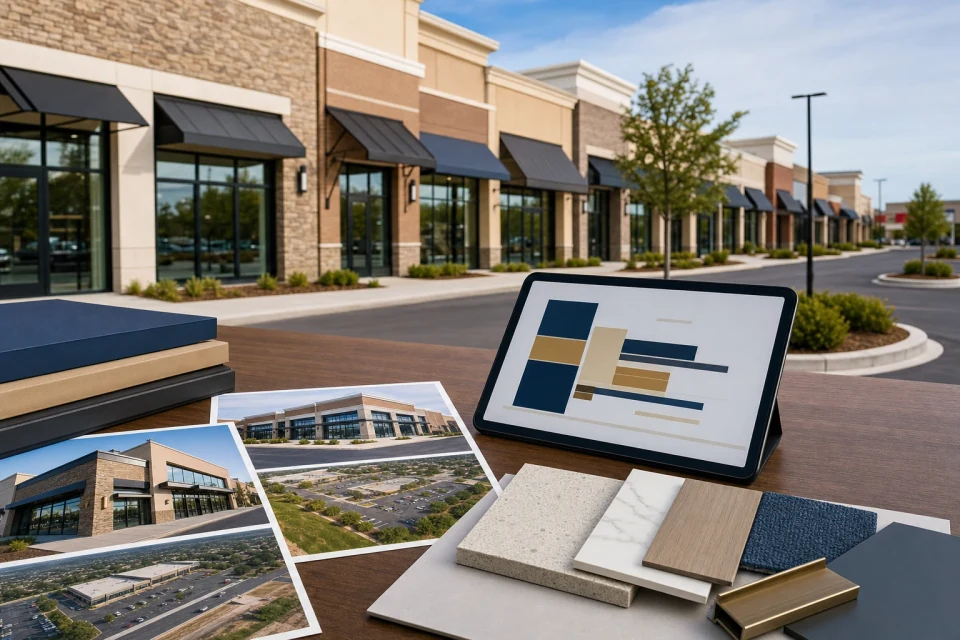
A shopping-center portfolio case study on how Form 3115 catch-up depreciation turned long-trapped deductions into current planning capital.
View resource
A practical pre-study checklist for organizing records before a cost segregation review.
View resourceStart with fit
A short fit review can confirm whether this service area is the right starting point or whether another planning lane should come first.